Quality of life in NRW – where the work-life balance is right
Life in NRW is surprisingly diverse: Here, imposing industrial monuments stand next to relaxing landscape parks, elegant shopping streets alternate with urban metropolitan oases. Cosmopolitanism and creativity determine the attitude to life and the quality of life to be found in NRW. 130 stages offer the densest theater landscape in Europe. In addition, there are thrilling live events and plenty of sports to watch or participate in.
What makes NRW stand out?
Its vibrant and diverse lifestyle!
Esma Gulten, Co-founder and Managing Director of GIZIL GmbH, shares why living in NRW means embracing cultural diversity and a rich variety of experiences. Discover why NRW is a place where international companies and professionals feel right at home. Join the beat.
Life in NRW – authentic and creative
Life in NRW is in a state of flow – work, leisure and education go hand in hand. Cologne, Düsseldorf and the Ruhr metropolis in particular are increasingly becoming destinations for digital nomads. All cities are closely interconnected. Due to their proximity, their quality of life, the cosmopolitan outlook of the people, and the special way in which work and life are harmonized, urban spaces like these act as a catalyst for the creativity of innovative people.
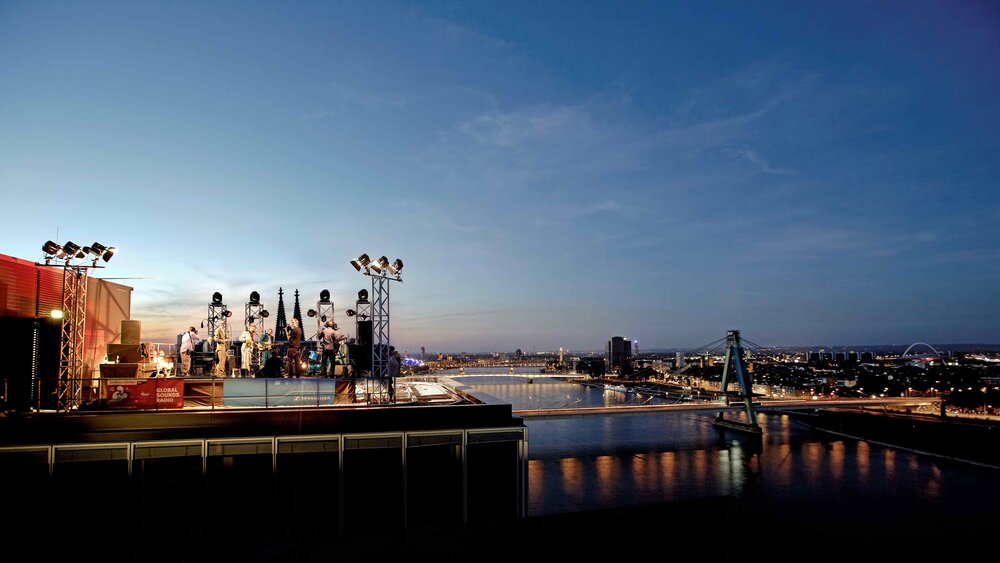
NRW is synonymous with an unconventional and urban lifestyle: inimitable, diverse and with numerous locally located creative scenes. "Urbanana," for example, is the banana-shaped urban jungle that stretches from the Ruhr metropolis to Düsseldorf and Cologne. Not everything is smooth and perfect here, but people who love and help to shape their urban space live here, open to new inspirations.
And what's more: Compared to other Western European regions and cities, life in NRW is inexpensive. This is confirmed by a study in which over 200 European cities were examined in terms of their cost of living, including six from NRW. The result: The average cost of living index in Western European cities is 79.53 – in NRW, by contrast, it is only 69.91.
Living in NRW means experiencing world cultural heritage
In addition to urban modernity, NRW also offers a number of fascinating historical sights. Ten percent of Germany's UNESCO World Heritage Sites are to be found in NRW – six buildings have been declared World Heritage Sites by UNESCO:
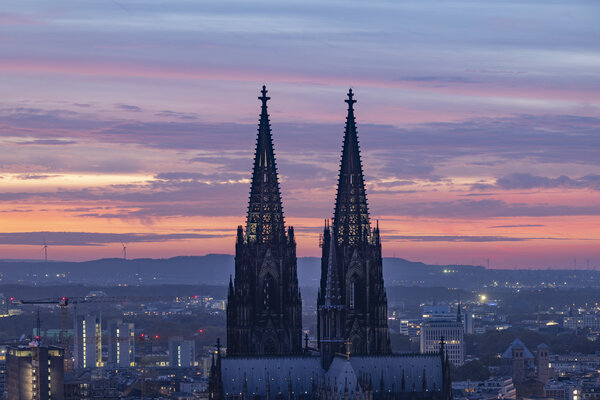
Cologne Cathedral
is the largest Gothic building in the world and the most popular German attraction with 6.5 million visitors annually.
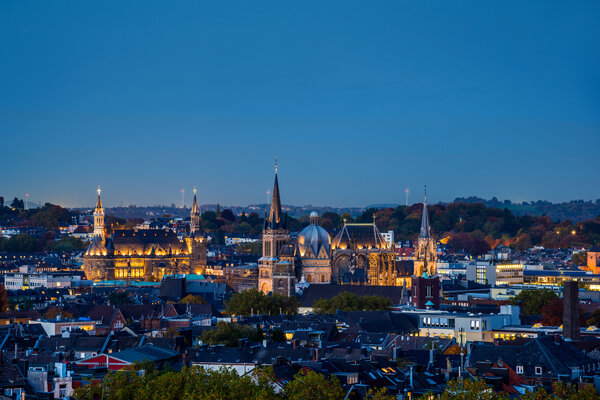
Aachen Cathedral
is a key example of Carolingian architecture.
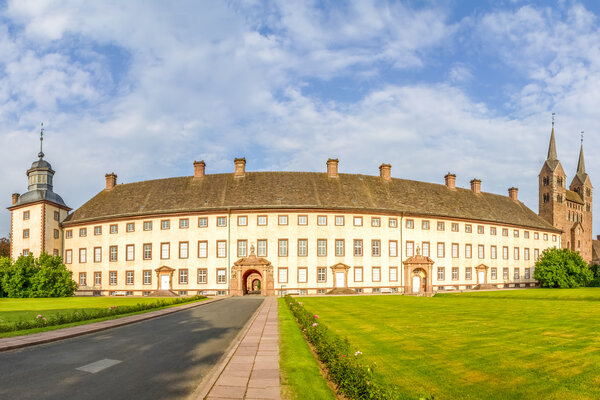
Corvey Abbey
in Höxter, Westphalia, is one of the most important Carolingian monasteries.
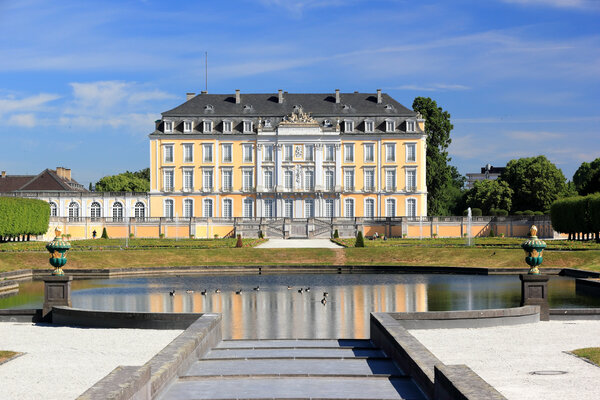
The castles of Augustusburg and Falkenlust
near Brühl, with their architecture, paintings and gardens, are considered masterpieces of German rococo.
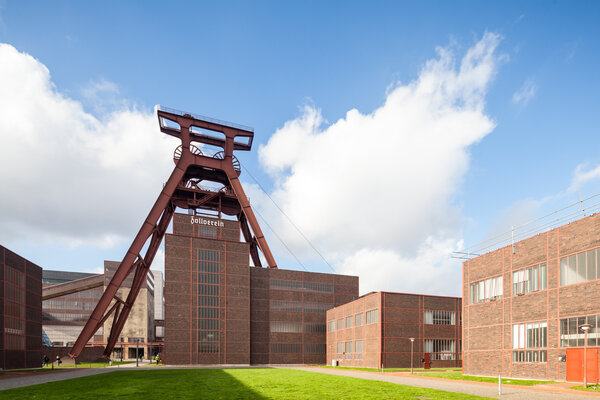
The Zollverein Coal Mine Industrial Complex
in Essen is one of the most imposing industrial monuments.
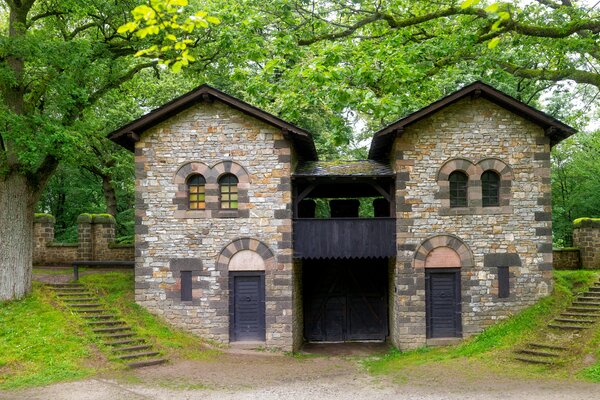
The Lower Germanic Limes
and its sites in NRW have been included in the World Heritage List: The border between the Roman province of Lower Germania and free Germania stretched over 400 kilometers.
NRW's cultural landscape offers plenty of variety
In the evening, around 130 theater and 200 jazz stages delight the people of NRW and together form one of the most diverse cultural regions in Europe.
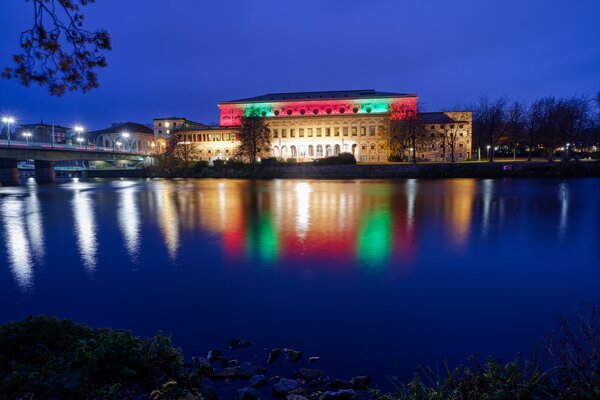
Variety of theater venues
Renowned venues, including the Schauspielhaus Bochum, the Schauspielhaus Köln and the Aalto Theater in Essen, offer audiences a wide variety of entertainment.
Something to suit every taste
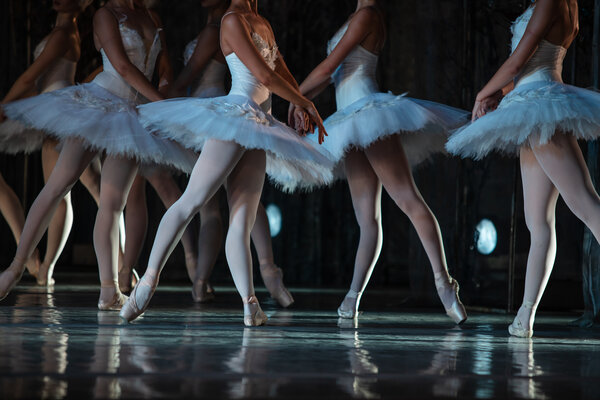
The Philharmonie Köln or the Konzerthaus Dortmund provide musical delights – including classical and modern music, choral concerts and jazz. Dance and ballet fans get their money's worth at renowned venues such as the Ballet of the Deutsche Oper am Rhein or the Tanztheater Wuppertal.
Festivals and concerts provide variety
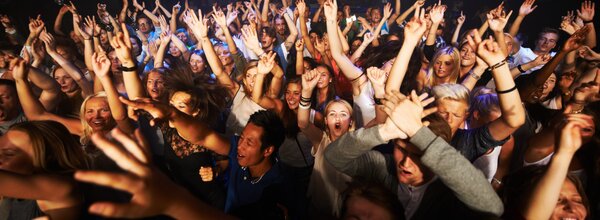
In addition, NRW has a huge range of festivals and concerts from pop and rock to jazz and well-known musicals.


A wide range of leisure activities in NRW
Life in NRW offers one of the most diverse cultural landscapes in Europe
Life in NRW combines culture, shopping and enjoyment
Related links and information
Photo credits
The photographic material was kindly provided by:
© Dieter Jacobi KölnTourismus GmbH
© Per Appelgren Ruhr Tourismus GmbH
© NRW.Global Business/Jan Tepass
© Düsseldorf Tourismus GmbH - Sabrina Weniger
© Per Appelgren Ruhr Tourismus GmbH
© Klaus-Peter Kappest /Touristikverband Siegerland-Wittgenstein e.V.
© Ruhr Tourismus Jochen Schlutius
© Südwestfalen Agentur GmbH/ Patrick Bonzel
© Dominik Ketz, Tourismus NRW e.V.
© Tourismus NRW e.V.
© Axel Schulten
© NRW.Global Business/Jan Tepass
© Engel.ac, Shutterstock
© Yuri A., Shuterstock
© Soloviova Liudmyla, Shutterstock
© Ysbrand Cosijn, Shutterstock
© Menna, Shutterstock
© Ruslan Lytvyn, Shutterstock
© Sina Ettmer Photography, Shutterstock
© SeventyFour, Shutterstock
© Eugen Z., Shutterstock
© Andreas Hermanspann, Shutterstock
© Telesniuk, Shutterstock
© iHispanolistic, iStock
Welcome to NRW!
These and many other location advantages await you in NRW. Invest in one of the most attractive economic regions in Europe. NRW.Global Business will help you – contact us!