Skilled labor from NRW – a talent pool in a class of its own
The labor market in NRW is one of the largest and most diverse in Europe, and the density of highly qualified specialists and academics is particularly high here. Young people are educated here at around 70 universities and universities of applied sciences: Year after year, more than 110,000 students earn a university degree – many with a technical, engineering or IT focus.
What makes NRW stand out?
Young talents!
Matthias Weßling, Vice Rector for Transfer at RWTH Aachen University, one of NRW’s two universities of excellence, shares why this region is Germany’s top talent pool. Find out how NRW fosters innovation, research and cutting-edge education. Join the beat.
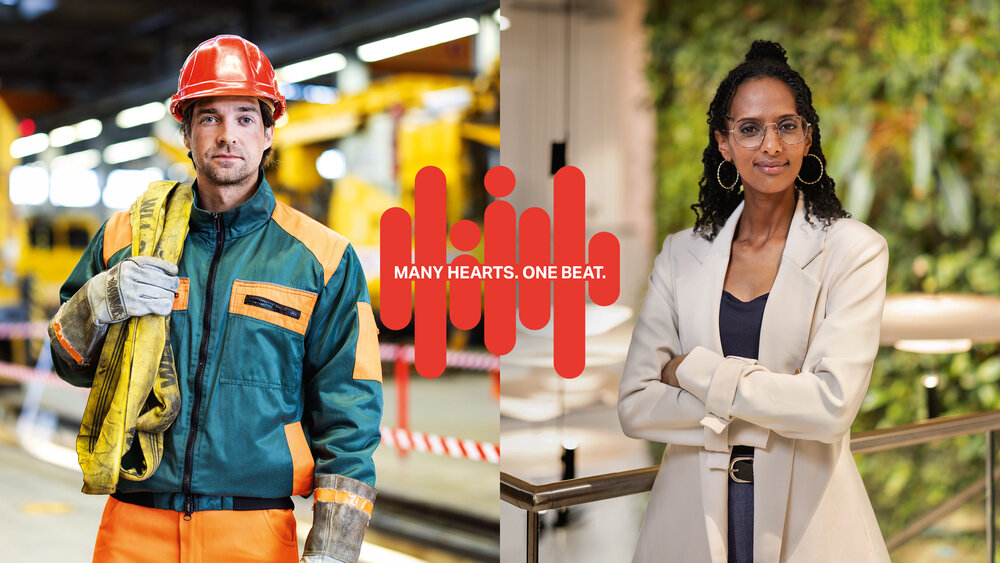
NRW labor market – one of the most important in Europe
With a population of around 18 million and a workforce of around 9.8 million, NRW is one of the largest and most important labor markets in Europe. It is larger than that of the Netherlands with around 9.4 million and twice as large as that of Belgium with 4.8 million employed persons. Compared to other top European economic regions, NRW scores not only with the size of its labor market, but also with a high density and availability of knowledge and human capital.
NRW's bright minds: Europe's largest talent pool
In Germany, NRW is regarded as the No. 1 pool of skilled workers: No other federal state has as many students at universities as here. They come from all over the world and, after completing their education, form a large, international talent pool right on the spot. Both the domestic business community and international companies at the location benefit from the high availability of these qualified specialists in NRW.
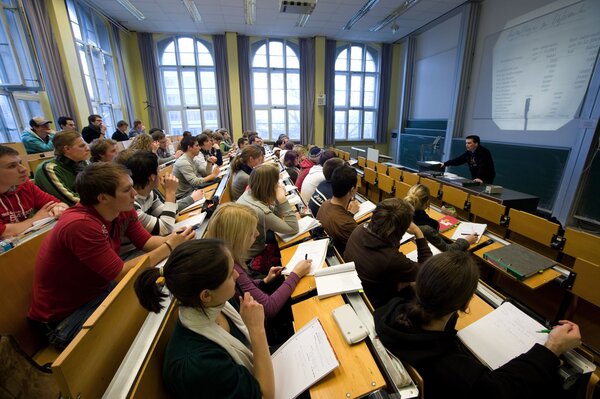
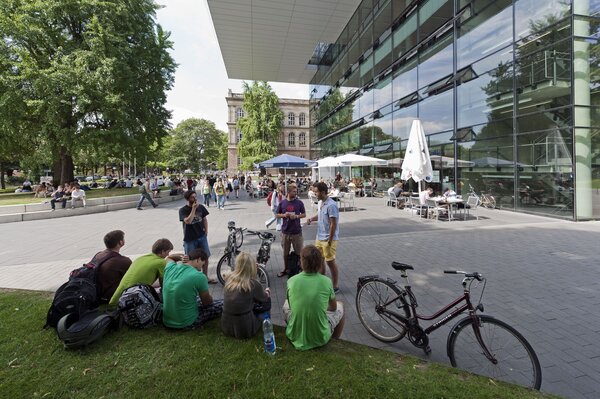
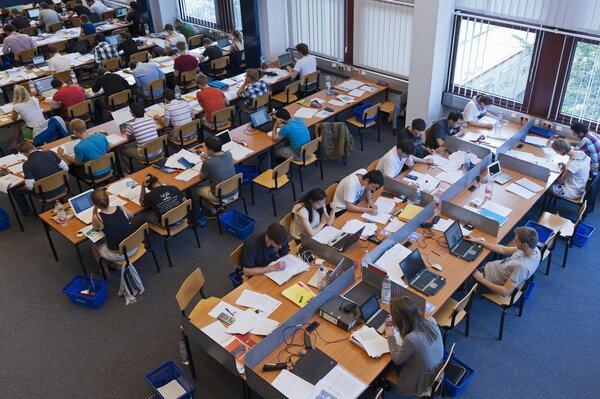
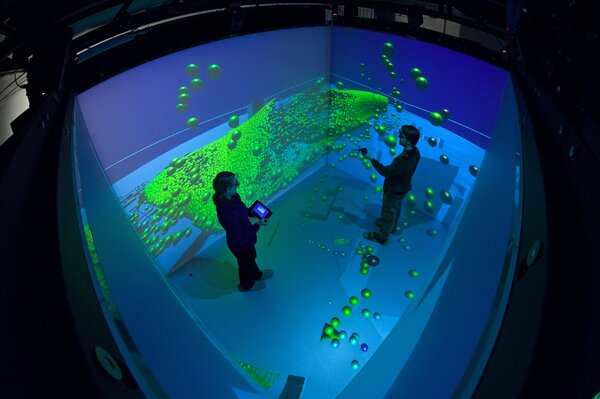
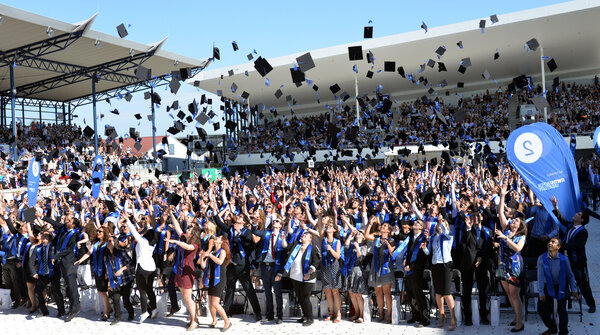
Network of universities in NRW unique in Europe
In NRW, a broad and excellent network of around 70 universities ensures the training of highly qualified specialists and researchers. There are 14 public universities in the region alone, including two elite universities: RWTH Aachen University and the University of Bonn. NRW also has 16 universities of applied sciences under public law, seven state colleges of art and music, 25 recognized private and church colleges and five administrative colleges.
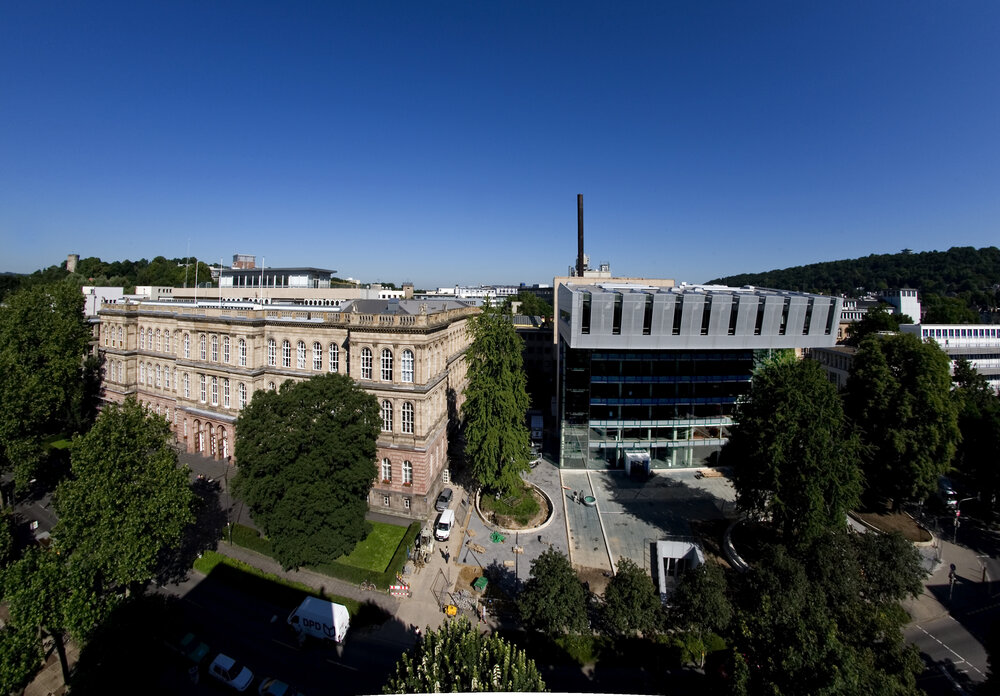
15 clusters of excellence offer cutting-edge research and teaching. The clusters of excellence provide project-based funding for internationally competitive fields of research at universities or in university networks. This enables scientists to recruit top international researchers and at the same time train excellent young researchers. Often, different disciplines and institutions work together on one research project.
International schools and cultural diversity in NRW
The choice of schools in NRW is also intercultural: Seven international and eleven foreign schools lay the foundation for globally oriented educational paths and are an important location asset for the families of company employees from all over the world.
International schools are educational institutions run by private sponsors. Here, students can obtain internationally recognized degrees in order to gain access to the numerous universities and courses of study.
In addition, there are also schools from different countries of origin, such as France or Japan, where the organization, teaching and school regulations correspond to the respective country – students are prepared here for the respective national qualifications.
Personnel development in NRW: talent advancement in the dual system
German vocational training enjoys a very good reputation internationally. The combination of theory and practice prepares trainees optimally for their future working lives. Prestigious qualifications ensure the quality of the training – and if skilled workers want to continue or further their education, NRW is also the right place for them.
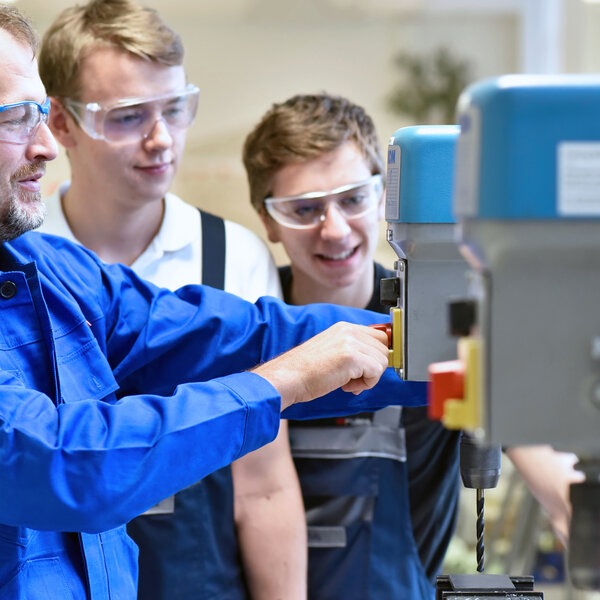

Photo credits
The photographic material was kindly provided by:
@ Düsseldorf Marketing & Tourismus GmbH
@ RWTH Aachen University, Peter Winandy
@ Industryviews, Shutterstock
@ mauritius images, iStock
Welcome to NRW!
These and many other location advantages await you in NRW. Invest in one of the most attractive economic regions in Europe. NRW.Global Business will help you – contact us!